AI Driven DevOps Pipeline Efficiency

Explore how AI-powered DevOps streamlines workflows, from code reviews to CI/CD, boosting accuracy, speed, and uptime across your pipelines.

Article7 min readAI, DevOps

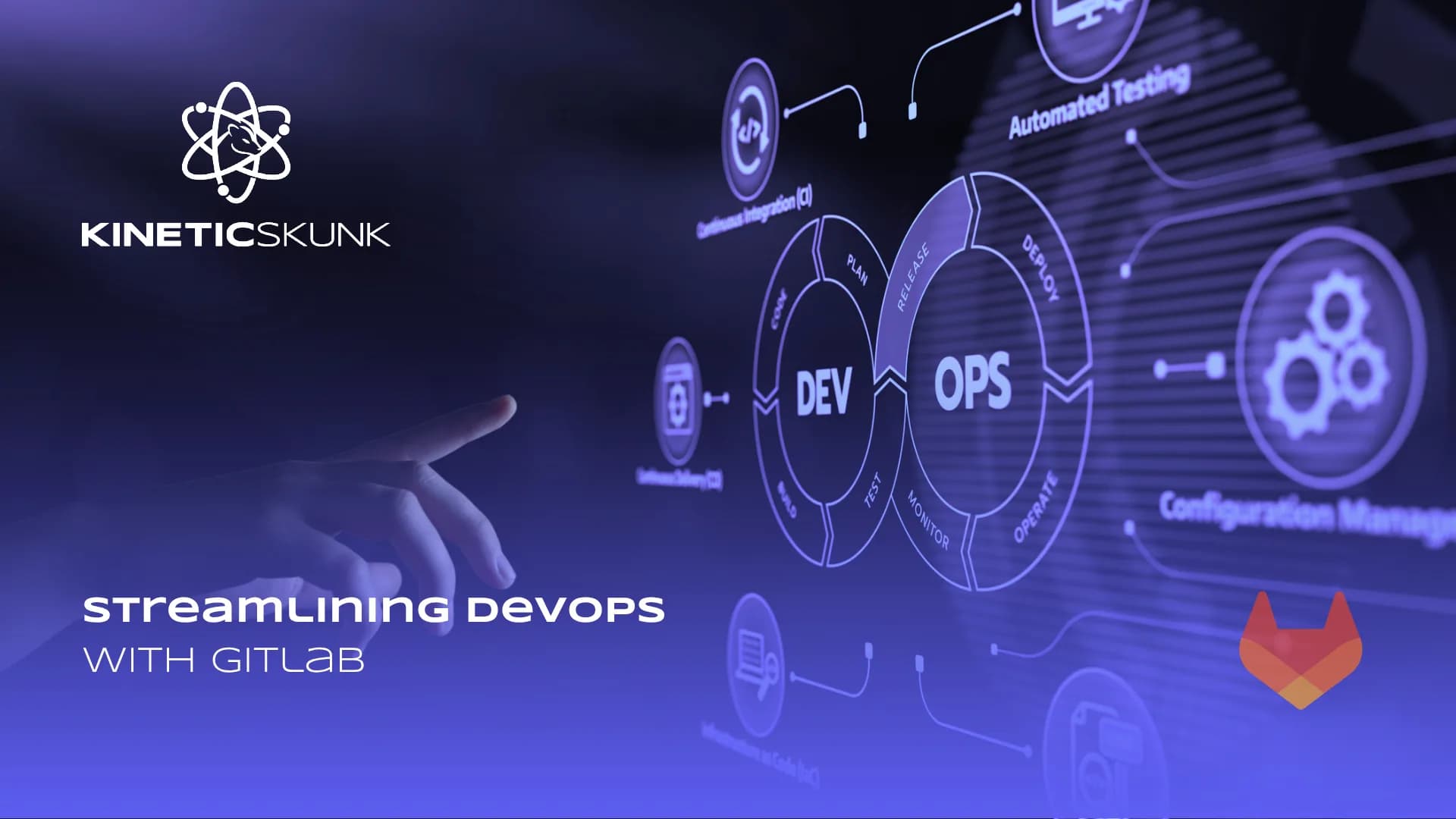
Editorial hero for GitLab pipelines, flow, and runner operations
Opening summary

Pipeline efficiency is a product of queue time, flake rate, and human wait states. AI can triage failures only if logs and artefacts are structured and retained.

This article frames how we reduced wait and rework without pretending automation fixes unclear ownership.

In one minute

  • Pipeline efficiency is a product of queue time, flake rate, and human wait states.

  • AI can triage failures only if logs and artefacts are structured and retained.

  • Executive value shows up when teams ship smaller changes more often.

What changed

Situation before efficiency work

  • Queues hid systemic bottlenecks behind heroic manual reruns.
  • Incidents repeated when post mortems did not change queue policies or test data.
  • Leaders wanted throughput without trading away safety gates that auditors cared about.

Where time actually went

Core points

  • Stakeholders needed a single credible story before budgets and timelines locked in.
  • Legacy habits and tooling debt competed with the outcomes marketing promised externally.
  • Scope stayed honest by naming what would move in phase one versus what waited on data.

Stability and data for triage

Core points

  • Regulated or high-trust contexts punish silent assumptions about access, retention, and blast radius.
  • Integration seams between teams multiplied rework when contracts were not written down.
  • Non-prod behaviour that did not mirror production invited surprises during the first real traffic.

Changes to workflow

Core points

  • Automation and observability had to land together so operators could trust rollback and forward fix.
  • Owners were named for pipelines, environments, and data handoffs instead of a shared inbox.
  • Change management sat next to engineering so habits survived the first month after go live.

Skunk tip

  • Rehearse one failure mode weekly until the runbook is boring, not heroic.

Outcomes

Core points

  • Velocity showed up when releases shrank and evidence travelled with the merge request.
  • Cost and risk curves improved when unused paths were retired instead of left on life support.
  • The durable lesson is that discipline on ownership beats another headline feature without adoption.
Truth bomb

If your rollback is a myth, your deploy frequency is vanity.

Pipeline efficiency checklist

Operating checklist

  • Measure queue time per stage and fix the top constraint before buying bigger runners.
  • Structure logs so AI or humans can cluster failures without opening ten tabs.
  • Shrink batch size so rollbacks stay boring when something slips.

Close

If you want help diagnosing pipeline drag, contact us or explore articles.

Contact

Related insights

Case study hero for AI assisted workflows on GitLab

Unleashing the Power of AI in GitLab

Unleashing the Power of AI in GitLab: Redefining Code Quality: a deep dive into how AI revolutionizes code review for better, secure software

Case study hero for AI, code quality, and security on GitLab

Code Quality and Security: AI's Role in GitLab

Explore how AI influences Code Quality and Security in GitLab, enhancing workflows and ensuring robust software development.

Editorial hero for containerisation for deployment and scaling

Advantages of Containerisation for Deployment and Scaling

Discover the advantages of containerisation for fast, scalable, portable deployments with AWS ECS, ROSA, and ARO, powered by efficient CI/CD.